Bali Through a Design Lens: Where to Stay and Why It Matters
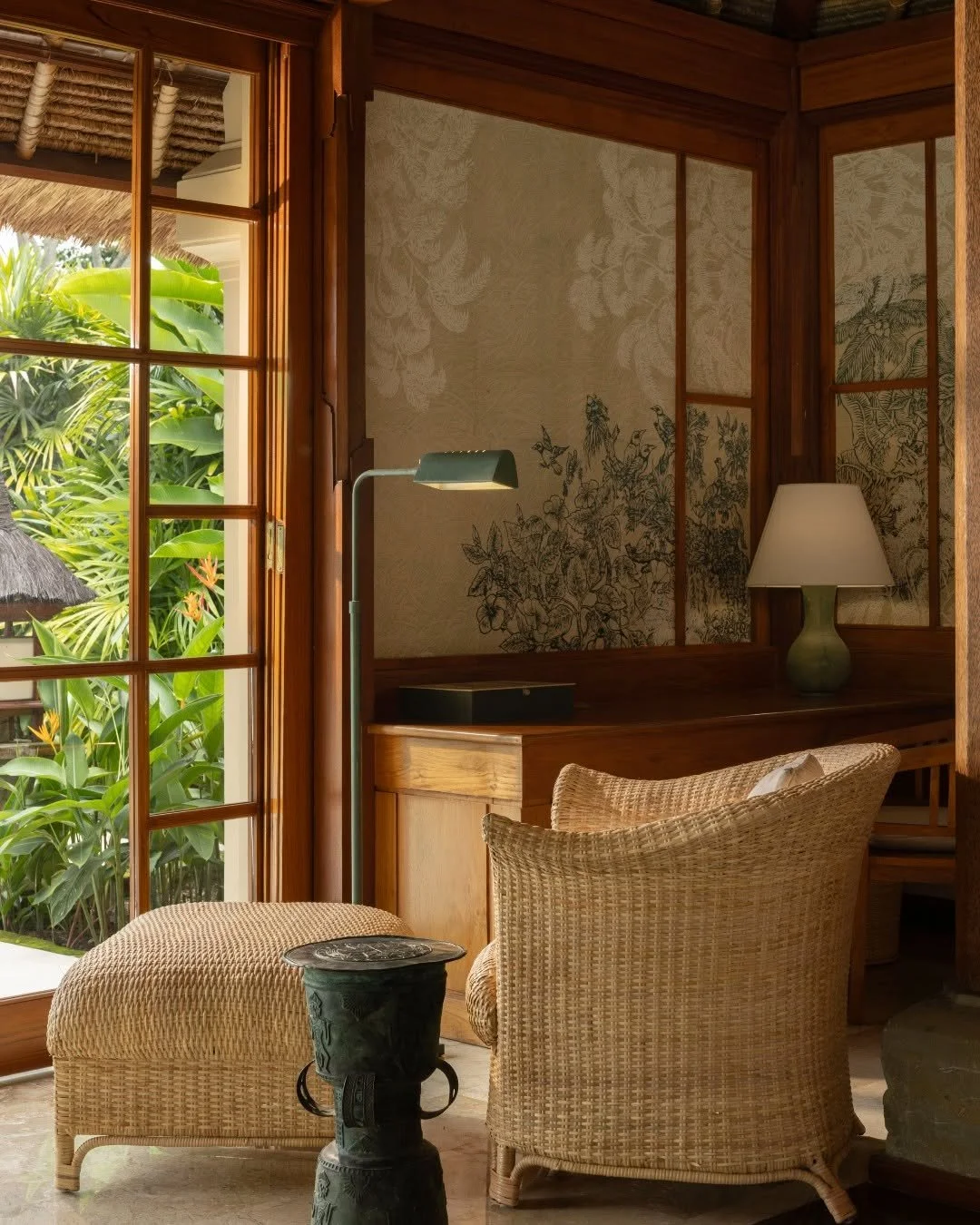
Bali is often discussed in terms of beaches, villas, and luxury hotels, but what is less frequently explored is how deeply the island’s experience is shaped by design and landscape.
After recently revisiting Bali and spending time across different regions and resort styles, one thing became very clear. The difference between a good trip and a truly memorable one often comes down to how well the architecture, setting, and environment work together.
In Bali, where you stay is not just a hotel choice. It is a design decision that shapes how you experience the entire journey.
Why Design Matters More Than the Hotel Name

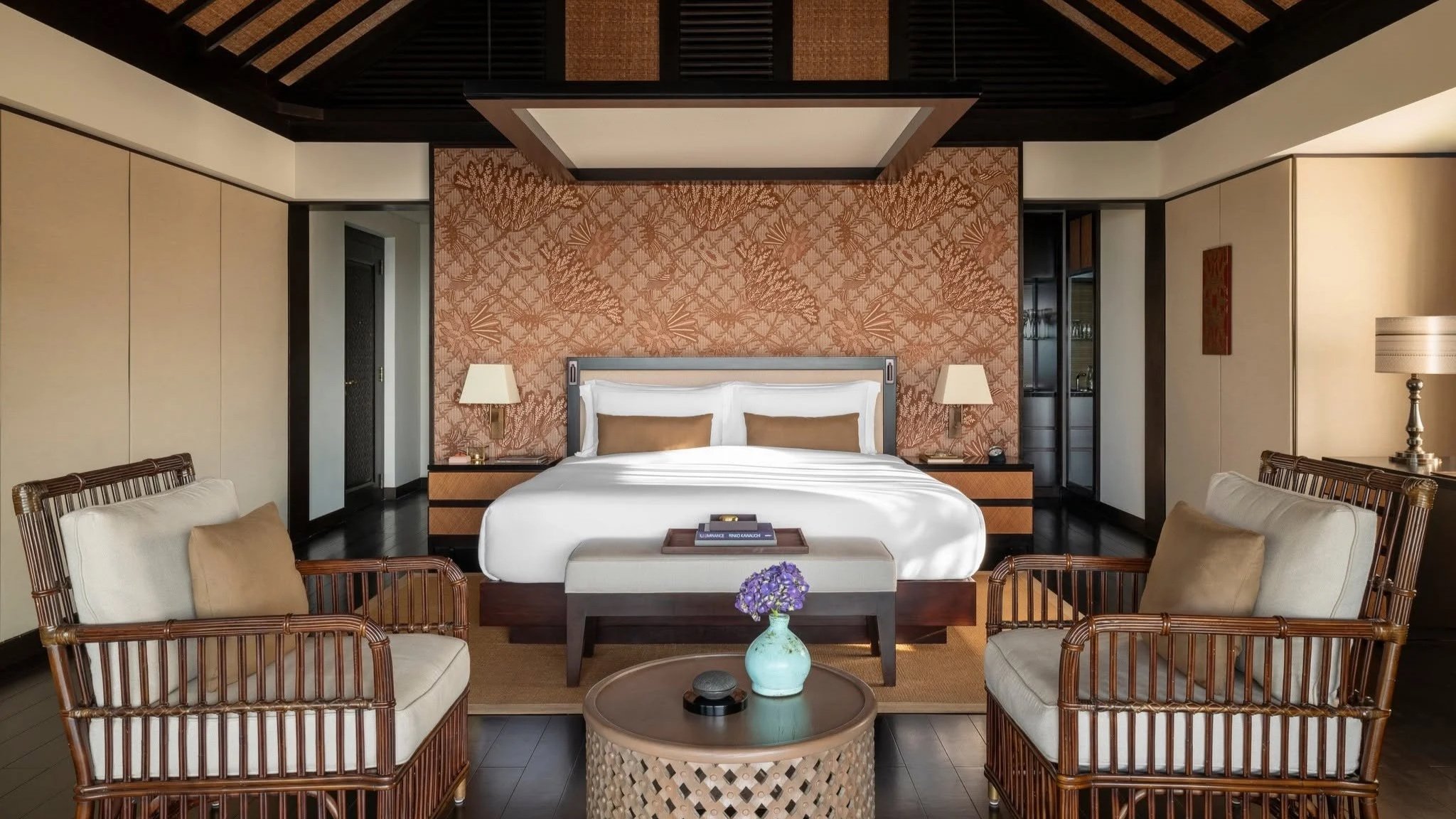
Many travellers approach Bali by searching for specific resorts or comparing brand names. While this can be useful, it often overlooks a more important factor: how a space is designed to be experienced.
In Bali, luxury is rarely defined by size alone. Instead, it comes from:
How architecture opens into the landscape
The relationship between indoor and outdoor living
Privacy and spatial separation between villas
The way movement is guided through a resort
The emotional response a space creates on arrival
Two hotels can sit in completely different parts of the island and appear similar online, yet feel entirely different once you arrive.
Why Many Travellers Stay in More Than One Area
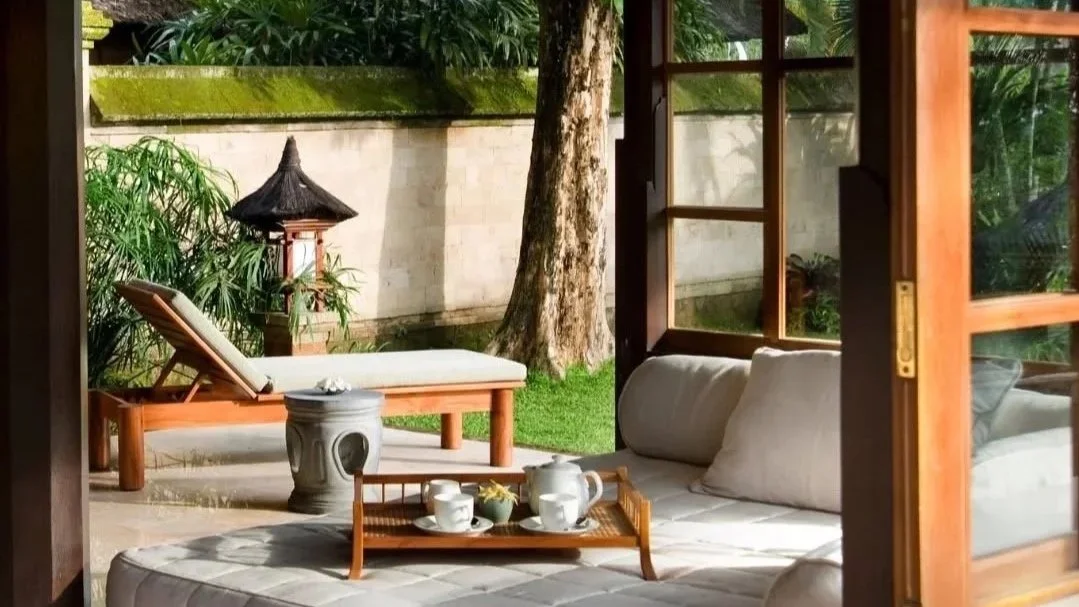
One of the most overlooked aspects of planning a Bali trip is that it is very common, and often highly recommended, to stay in multiple areas during the same visit.
Because each region offers a completely different atmosphere, combining locations allows you to experience Bali more fully rather than trying to find one resort that does everything.
For example:
Ubud offers jungle immersion and stillness
Uluwatu offers cliffs, ocean views, and privacy
Nusa Dua offers beachfront comfort and ease
Seminyak or Canggu offers dining, energy, and lifestyle
A well designed itinerary often blends two or even three of these environments, depending on travel style and trip length.
Ubud: Architecture in Dialogue with Nature
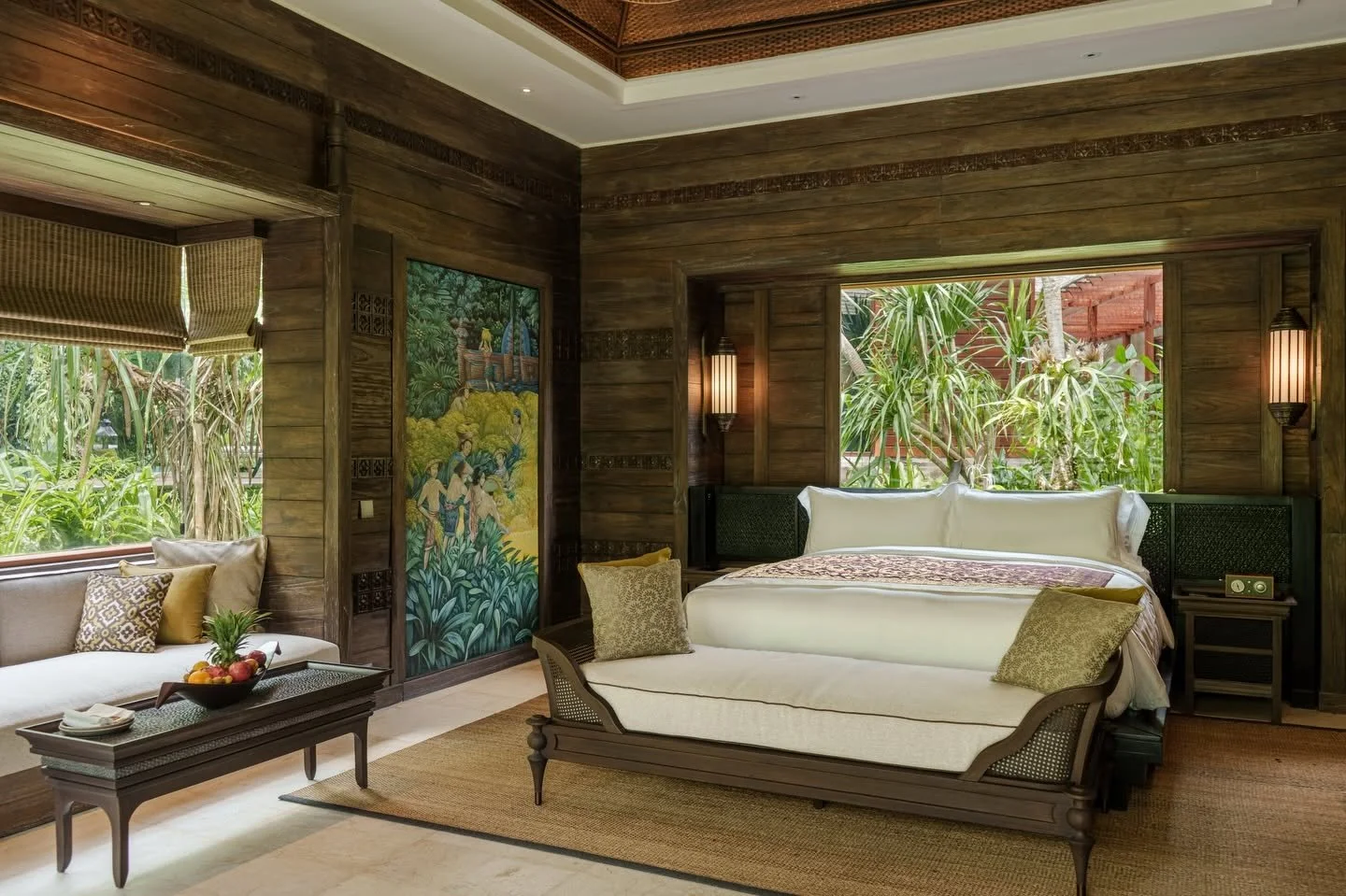
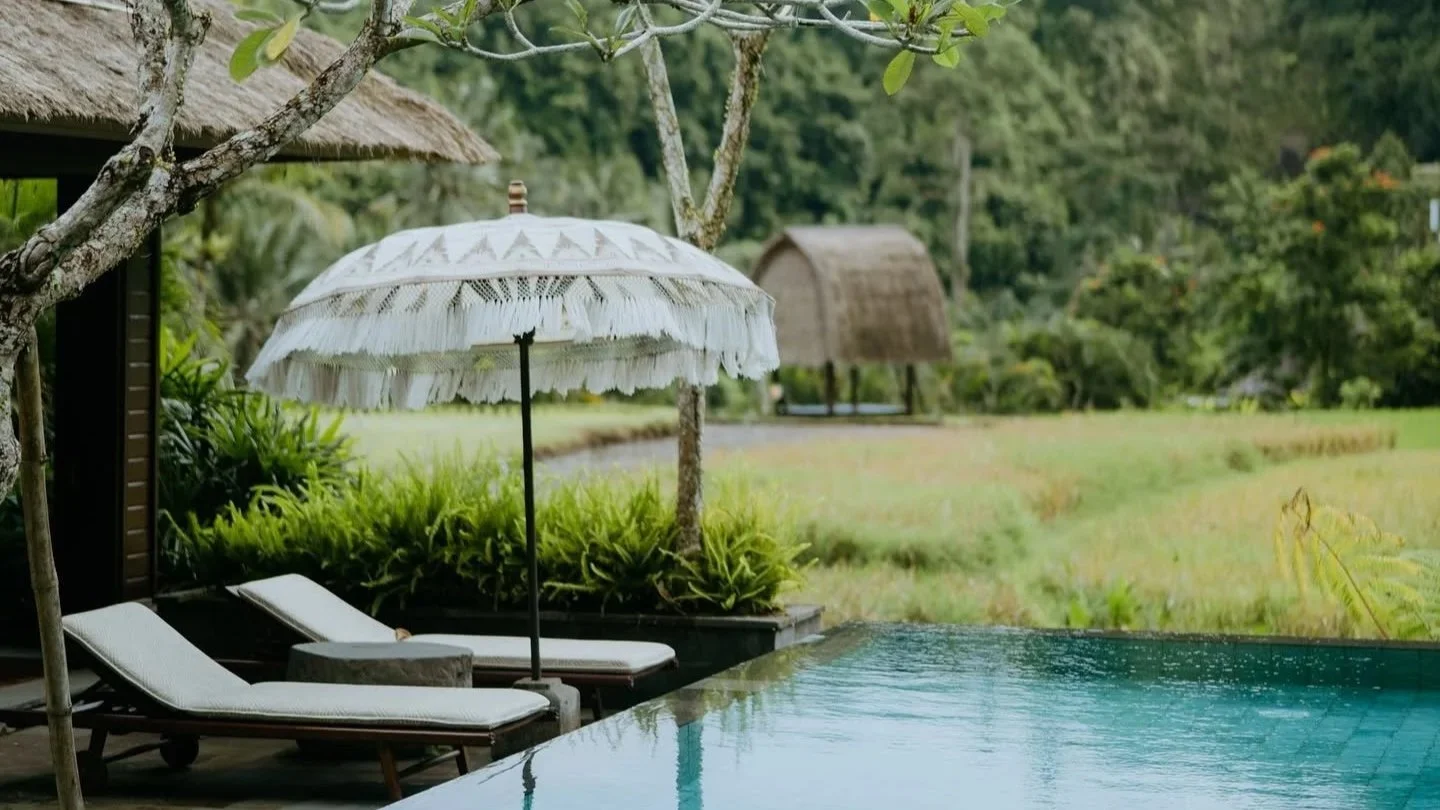
Ubud is where design and landscape are most closely intertwined. Resorts here are shaped by rivers, valleys, and dense jungle environments.
The architecture tends to follow the land rather than dominate it. Villas are positioned to maximise privacy while maintaining a constant connection to nature through open air layouts, natural materials, and layered landscaping.
Staying in Ubud is less about the room itself and more about how the space is designed to frame stillness, nature, and perspective.
-
A timeless example of Balinese architectural restraint, where symmetry, stone pathways, and village inspired design create a quiet sense of space above the Ayung Valley.
-
A highly immersive tented concept using narrative driven design, layered textures, and atmospheric detailing within a rainforest setting.
-
A vertically layered architectural experience above the Ayung River, where bridges, terraces, and open structures guide movement through the landscape.
-
A riverside sanctuary where spatial planning creates separation and stillness while maintaining constant engagement with the surrounding valley.
Uluwatu: Clifftop Geometry and Ocean Perspective
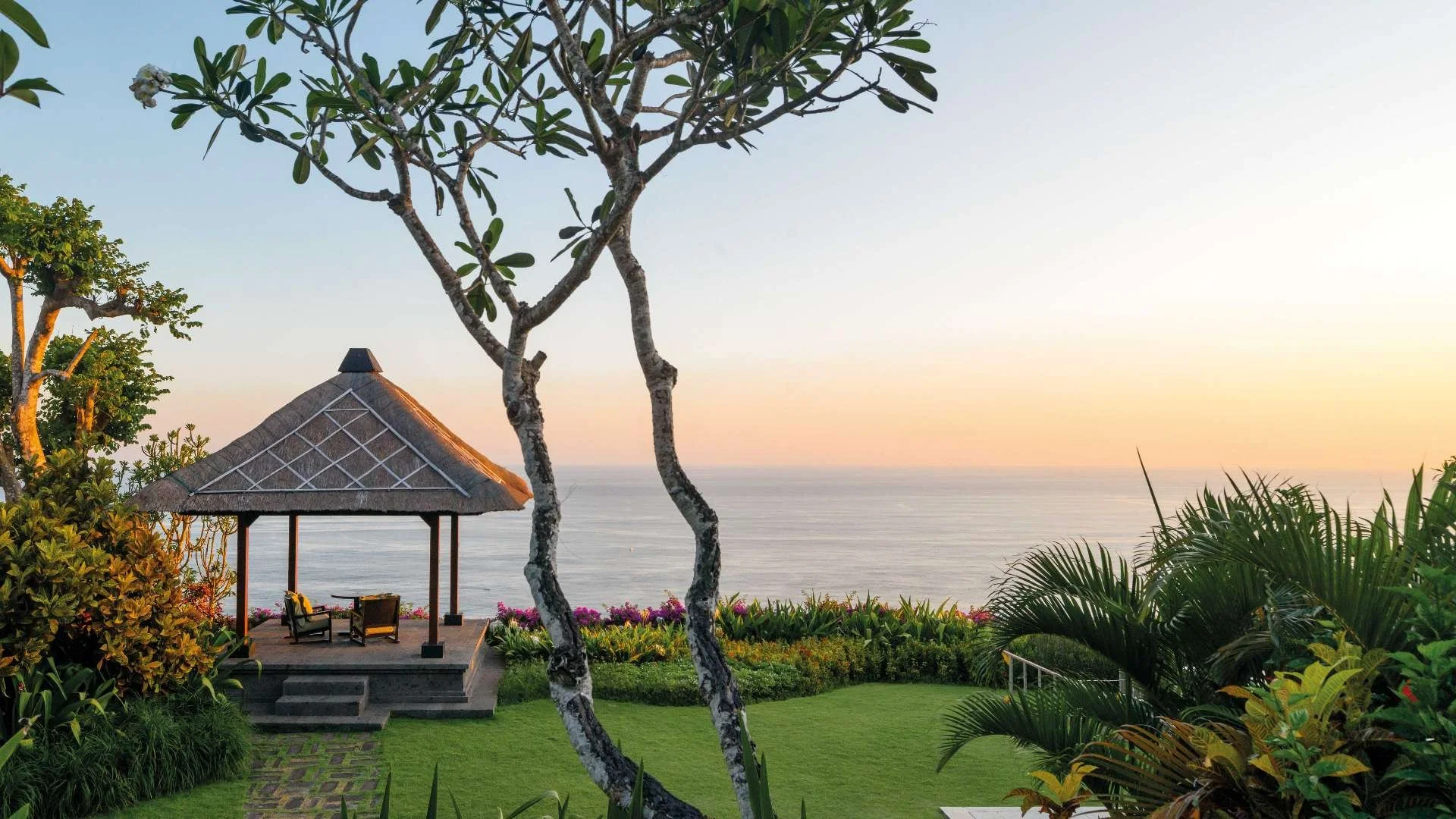
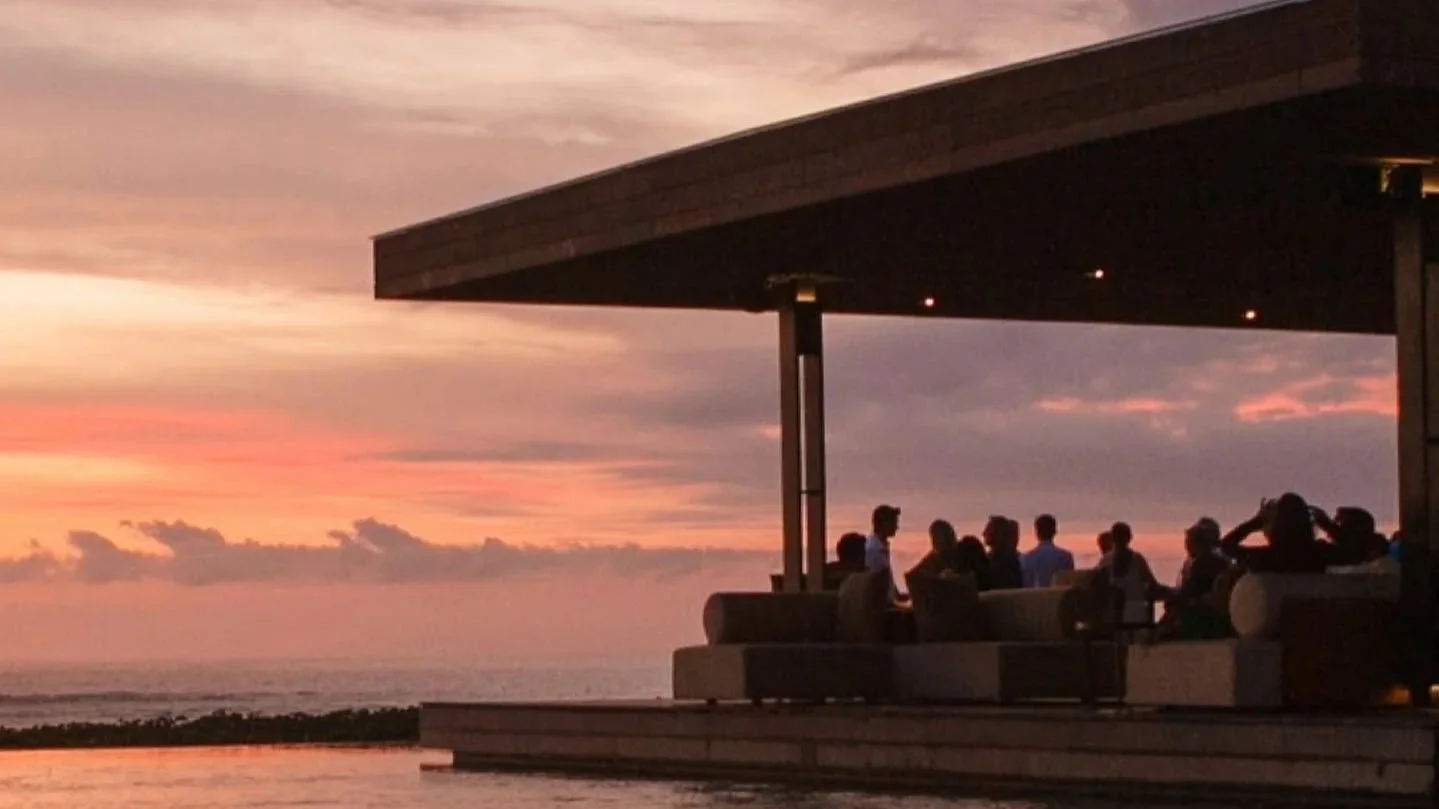
Uluwatu is defined by elevation, horizon lines, and dramatic coastal topography. Resorts are shaped to frame uninterrupted ocean views while maintaining privacy through stepped architectural layouts.
Here, design is inseparable from the landscape. Architecture responds directly to the cliffside environment, often using layered levels, open sightlines, and minimalist forms to emphasise scale and perspective.
-
A minimalist clifftop resort where geometry, clean lines, and negative space frame uninterrupted ocean views.
-
A highly private clifftop retreat combining refined materials with dramatic elevation and controlled spatial experiences.
-
A wellness focused clifftop resort where layered architecture and open air design maximise both ocean views and a sense of retreat.
Nusa Dua: Master Planned Comfort and Coastal Balance

Nusa Dua is a carefully planned resort enclave designed for consistency, accessibility, and beachfront comfort.
Unlike more organic regions, it prioritises structure, ease of movement, and calm water access. Resorts are designed to function as contained environments where everything flows intuitively from arrival to beach.
-
A vertically layered clifftop inspired resort with dramatic architecture, stepped spatial design, and strong visual connection to the ocean
-
A lagoon style beachfront resort where water and pathways are integrated into a relaxed spatial layout.
-
A refined beachfront resort known for generous spatial design and lagoon style luxury living.
Seminyak and Canggu: Contemporary Energy and Social Design
Seminyak and Canggu reflect a more contemporary side of Bali’s design evolution. These areas are defined by lifestyle flow rather than isolation, with architecture designed around openness, dining, and movement between spaces.
Rather than secluded retreats, the focus here is on connectivity, modern beachfront living, and access to restaurants and beach clubs.
-
A contemporary beachfront resort defined by clean architectural lines and open ocean facing spaces.
-
A design forward resort blending local cultural references with modern beachfront living.
-
A bold modern resort where lighting, energy, and spatial layering create a highly social beachfront experience.
The Biggest Mistake Travellers Make in Bali
One of the most common mistakes is choosing a hotel before deciding on the right area.
Bali is not a destination where one resort can realistically deliver every type of experience. A jungle retreat in Ubud, a clifftop villa in Uluwatu, and a beachfront resort in Nusa Dua are fundamentally different stays.
When travellers prioritise hotel branding over location and experience flow, it often leads to mismatched expectations and missed opportunities.
The most successful Bali trips are built around sequence, not just accommodation.
Quick Guide: Where You Should Stay in Bali
Honeymoon or romantic escape → Uluwatu or Ubud
First time visitors → Ubud + Seminyak
Beach focused relaxation → Nusa Dua
Social dining and energy → Seminyak or Canggu
Design focused travellers → Uluwatu or Ubud
Families → Nusa Dua or Seminyak (ease of access, beach safety, and resort style layouts that work well for all ages)
Multi resort itinerary → A combination of 2 to 3 regions depending on pace and length of stay
Final Thoughts
Bali is not defined by a single style of travel or accommodation. It is a destination shaped by contrasting design philosophies, from jungle integration in Ubud to clifftop minimalism in Uluwatu and structured beachfront planning in Nusa Dua.
Understanding these differences is what transforms a standard stay into a more intentional and considered journey.
Many travellers now choose to combine multiple resorts within one trip to experience different sides of the island in a more complete way.
If you are starting to plan a trip to Bali, I can help you narrow down the right areas and resorts based on how you want the experience to feel. I also design multi resort itineraries where everything is considered for you, from hotel selection through to sequencing and pace, so the trip flows seamlessly.
If you would like support planning it properly, you can reach out and I’ll map out the best options for you.